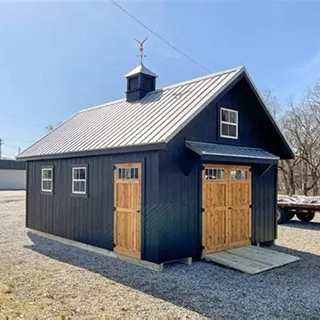
Adding a gravel pad is usually a smart return on investment because it helps protect the mini barn from some of the most common and costly problems caused by poor ground conditions. Without a proper base, a shed can settle unevenly, trap moisture underneath, and wear out faster at the floor system and runners. Spending a little more up front on a gravel pad can reduce the chances of repairs for sagging floors, door alignment issues, water damage, and timber rot. It also helps the building last longer overall, which means homeowners get more usable years out of their purchase and preserve more of its value.
A gravel pad can also save money indirectly by lowering future maintenance and making the barn more functional from day one. A firm, dry base makes it easier to store lawn equipment, tools, and heavier items without worrying as much about shifting or soft spots. It keeps the area around the barn cleaner and less muddy, which can matter a lot in wet seasons. For many homeowners, the pad is one of those upgrades that is not flashy, but it helps protect the much larger investment sitting on top of it.
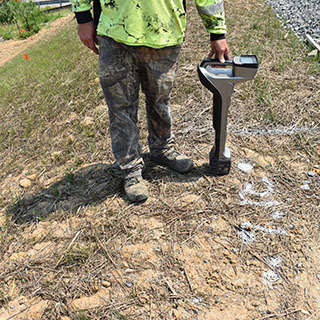
The typical installation process starts with selecting and marking the site, then clearing away grass, roots, and topsoil to reach firm ground. The area is usually graded level or given the slight slope needed for drainage, and many installers add a geotextile fabric to help separate the gravel from the soil below. After that, crushed stone or compactable gravel is brought in and spread in layers, with each layer compacted to create a dense, stable base. The pad is often built a little larger than the mini barn footprint so water sheds away from the building and the edges stay protected.
Once the gravel is compacted and leveled, the installer checks final dimensions, height, and squareness to make sure the site is ready for delivery. In many cases, the finished pad sits slightly above the surrounding ground so rainwater drains away instead of running toward the barn. The result is a base that supports the structure evenly, improves drainage, reduces moisture exposure, and helps prevent premature timber rot and other avoidable issues.