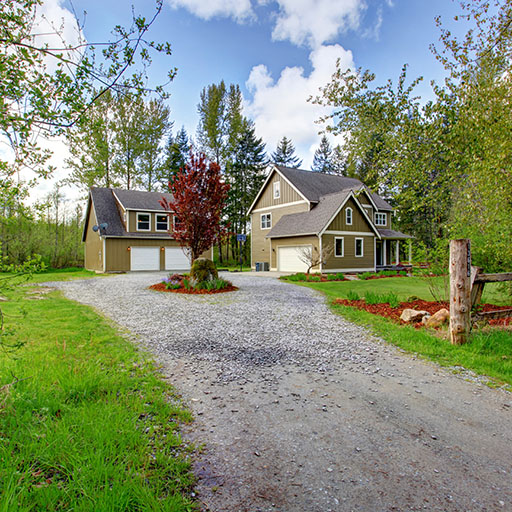
A gravel driveway is a practical and cost-effective choice for many homeowners, but like any part of a property, it performs best when it is properly maintained. One of the biggest benefits of routine maintenance is that it helps preserve the driveway’s surface and structure before small issues turn into expensive repairs. Regular upkeep keeps the gravel evenly distributed, prevents deep ruts and potholes from forming, and helps the driveway stay safe and easy to use in all seasons. A well-maintained gravel driveway also improves drainage, reducing standing water that can wash out stone, soften the base, and create long-term instability.
Another major advantage is appearance and overall property value. A smooth, well-kept gravel driveway gives a home a cleaner, more finished look, while a neglected one can quickly appear worn, muddy, and difficult to drive on. Maintenance also helps extend the life of the driveway by protecting the underlying base and reducing erosion. In many cases, a little routine attention costs far less than having to fully regrade, rebuild, or replace large sections later, making regular maintenance a smart long-term investment.
Key Steps in Gravel Driveway Maintenance
Maintaining a gravel driveway usually starts with regular inspections. Homeowners should watch for potholes, low spots, washboarding, drainage problems, or gravel that has migrated to the sides. Catching these issues early makes them much easier and cheaper to fix. It is also important to keep the surface properly graded so water sheds off instead of pooling in the middle or along the edges.
Another key step is raking and redistributing gravel to fill in thin areas and keep the surface even. Over time, vehicle traffic pushes stone outward, which can leave the center worn down or create bare spots. Adding fresh gravel periodically helps restore the surface and maintain good traction. In many cases, using the right type of crushed stone is important, since compactable gravel binds together better than smooth, loose rock.
Homeowners should also focus on drainage control. Cleaning out ditches, culverts, and edges around the driveway helps water move away from the surface instead of cutting through it. If water is allowed to sit or flow directly over the driveway, it can quickly create erosion, potholes, and soft spots. In wetter areas, occasional regrading may be needed to maintain the proper crown or slope.
Finally, compaction and seasonal touch-ups help keep the driveway in good shape year-round. After adding new gravel, compacting it helps create a firmer, more stable surface. Seasonal maintenance, especially after heavy rain, snowmelt, or freeze-thaw cycles, can prevent weather-related damage from getting worse. With consistent upkeep, a gravel driveway can remain durable, attractive, and functional for many years while costing far less to maintain than major repairs or replacement.